

Does your child not want to go to kindergarten? We explain why!
The beginning of the kindergarten year is a time of joy and exciting new challenges, but also of concern, both for children and parents. Often there is the problem of a child's reluctance to go to kindergarten, which can raise many questions and be a source of great stress for the family. In the following article, we will look at why a child may not want to go to kindergarten and how to approach this problem, especially in the context of Montessori kindergarten.
Why doesn't the child want to go to kindergarten?
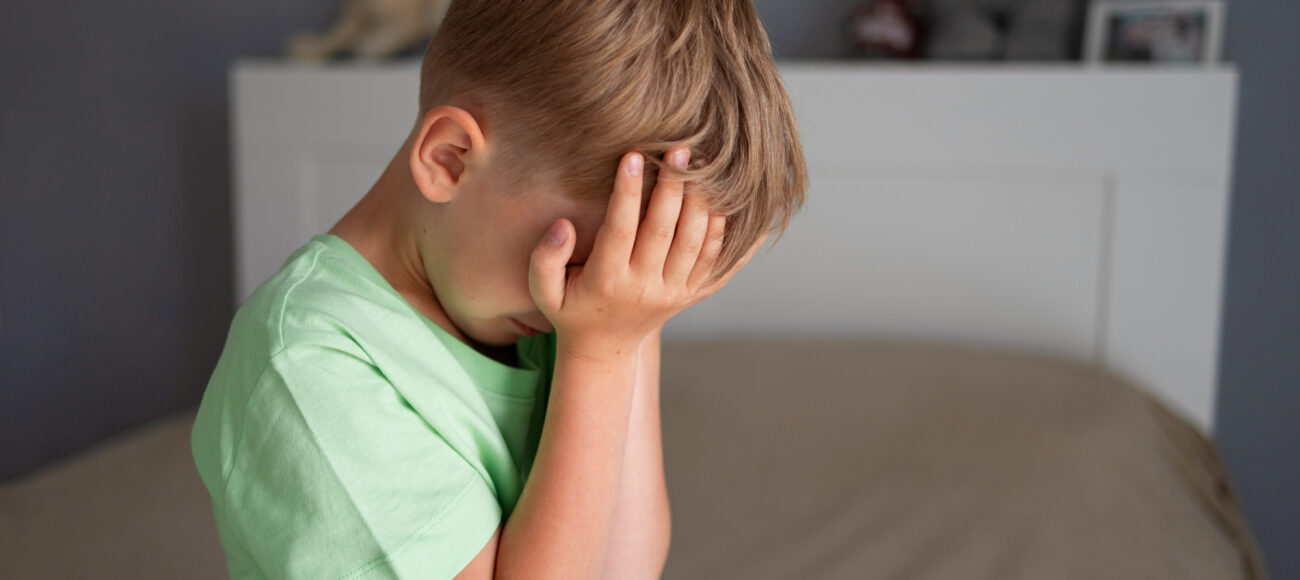
A child does not want to go to kindergarten for various reasons, which are often related to emotions. One of the most common is the fear of separation from parents. Toddlers who until now have spent most of their time with their caregivers may feel anxious at the thought of staying in a new, unfamiliar place.
Another reason may be a lack of familiar children or a fear of forming new relationships. The child may feel stress due to unfamiliar surroundings, routine or even new adults he or she will be dealing with. A key element that helps deal with these emotions is understanding the child's needs and proper adaptation, as Montessori pedagogy particularly emphasizes.
Montessori principles and the child's emotional needs
The Montessori philosophy places great emphasis on the child's individuality and the adaptation of the environment to the child's needs. In Montessori, the child is not forced to perform at a pre-imposed pace. Adaptation to kindergarten takes place at a rhythm that suits both the child and his parents. The Montessori preschool makes sure that each child feels safe and supported in exploring his or her new environment.
In Montessori pedagogy, observation of the child is of great importance. The teacher does not forcefully intervene in the adaptation process. He does not tear the child from the parent, but observes closely to understand how best to help the toddler through difficult moments. A Montessori preschool offers a space where the child can mature to temporarily separate from the parent at his or her own pace, which reduces the stress of the new situation.
How to understand the emotions of a child? - tips from Montessori pedagogy
Understanding a child's emotions is crucial in the adaptation process. Montessori pedagogy suggests that parents and caregivers observe their child without judging. It is important to give the child the space to express his feelings - both the positive ones and those that are difficult for us to accept, uncomfortable, such as anger, beginnings, frustration, rebellion.
Instead of explaining why the child should go to kindergarten, it is worth focusing on naming his emotions: „I can see that you are sad that we have to part. I understand that this is difficult for you.” Accepting emotions and showing the child that they are natural helps him gradually get used to the new situation. Often, just helping to name the feelings, allowing them to be expressed honestly, accepting them without judgment, with the calmness of a mature person, takes a huge burden off the child's shoulders.
Don't force, but support - the Montessori approach in practice
Montessori pedagogy teaches not to force a child to go to kindergarten. Putting pressure can only exacerbate his fears and anxieties. It is important to give the child time to adapt, offer various activities in the kindergarten, but never impose a quick separation. In our kindergarten you have time and space for the child to adapt with the parent, as well as acceptance and understanding of periodic crises. This really changes the rules of the game and saves the child unnecessary stress. Adaptation crises, even after initial success, will happen, and it is worth treating them as a signal of the child's independence and an opportunity for further development, not a disaster or failure of the institution or the parent.
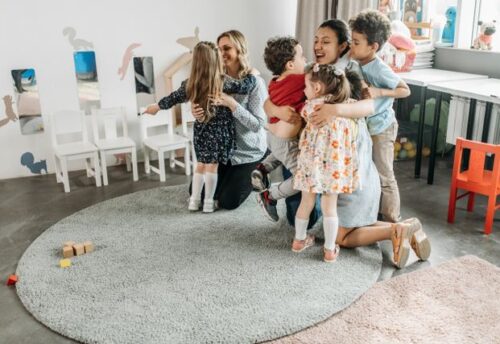
Parents can support the child by talking calmly, acceptingly naming feelings, offering choices and gradually introducing the child to preschool rituals. A child who feels supported and understood gradually begins to accept the new reality. At our preschool, you can count on us to support you in this process. We will give you time, we will proceed gently, slowly, but we will also give a discreet sign that this is the moment to remove yourself from the shadows and allow the teachers to establish a relationship with the child.
How to prepare a child for kindergarten?
Preparing a child for kindergarten is a process that can begin at home. Montessori pedagogy emphasizes the importance of independence, which can be encouraged by creating simple routines. For example, let your child help with simple household chores, such as setting the table or cleaning up toys. Let the child have a chance to dress himself, decide for himself what you play, which way you go for a walk.
It is also important to gradually accustom the child to the new environment. This can be done by visiting the kindergarten before the year begins, reading books about kindergarten (we recommend „Ignatius Goes to Kindergarten”!) or playing „day care” at home. In our experience, younger siblings who have participated in bringing or picking up an older brother or sister from kindergarten adapt extremely easily. It is therefore worthwhile to take younger siblings to the older sibling's preschool. Don't have an older sibling? Or perhaps a neighbor's child goes to the kindergarten of your choice and his parents will bring you in for a few familiarization visits?
Montessori preschool - the perfect place for independent children
Montessori preschools are an ideal choice for children who need more space to develop their independence. The Montessori system adapts to a child's individual needs, which allows for the gradual elimination of fears and insecurities associated with kindergarten.
With a well-planned environment and a philosophy of „self-help,” a child in a Montessori preschool has the opportunity to explore the world on their own terms. This helps build self-esteem and reduce fear of new situations. Alternative education should be considered by parents of children with strong personalities, independent, but also those who are very sensitive and shy and neuroatypical. It is worthwhile to develop their uniqueness for the benefit of the child, rather than stifling them in the not always favorable conditions of conventional education.
How to help a child like kindergarten?
Helping a child get used to kindergarten takes time and patience. Here there are no magic tricks that work anytime, anywhere. It is worthwhile to introduce positive associations related to the kindergarten. For example, you can tell about the games that will be waiting for the child or visit the kindergarten during free time. Playful scenarios in which the child takes on the role of a kindergarten teacher can also help tame fears. It is important to reinforce the child's sense of security and show that the kindergarten is a place where he or she will feel comfortable and will always receive help or comfort.
The role of parents in their child's adaptation to Montessori kindergarten
Parents play a key role in their child's adaptation to kindergarten. At Montessori, cooperation between teachers and parents is important, so the adaptation process is individually tailored to the needs of each child. The parent must feel safe entrusting their child to the care of the teachers, and this trust translates into a sense of security for the child.
Good communication with teachers and parental participation in the adaptation process make the child feel comfortable in the new environment sooner.
Summary
Adaptation of a child to kindergarten is a process that requires understanding, patience and support. Crises (I'm not going today!) are perfectly normal and affect most children. The Montessori philosophy emphasizes an individual approach to each child, allowing them to gradually discover their new environment at their own pace. If your child doesn't want to go to kindergarten, it's important to give him or her time and understanding, while using the Montessori approach, which can be the key to success. At ItsyBitsy Montessori preschool, your child will find support and understanding at every stage of this important process. Feel free to contact us if you have more questions or anxieties about adaptation or preschool crises.